Your operation needs consistent cleaning schedules customized for specific risks, processing volumes, allergen management, and regulatory visits, including auditable records validating HACCP requirements, compliance audits, and public health regulations. The details below give guidance on sanitation program requirements.
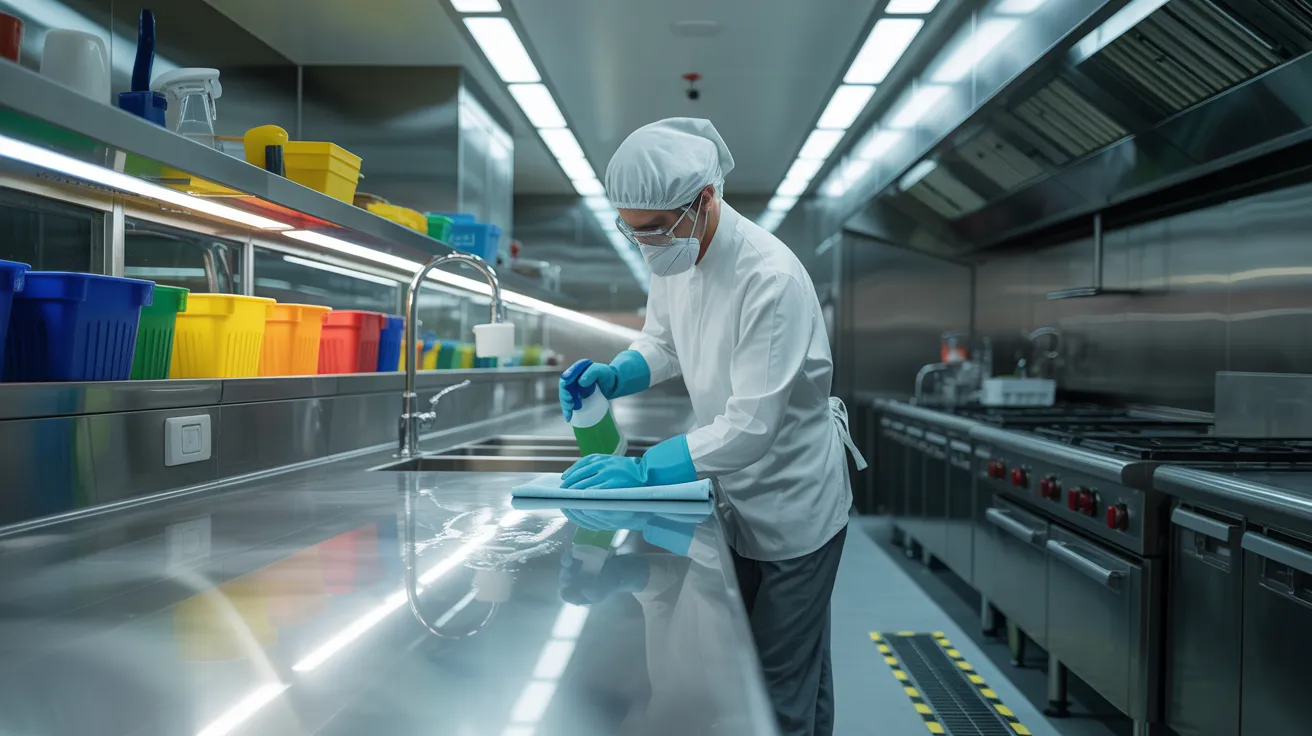
Important Highlights
- Brampton's food safety cleaning experts maintain restaurants, grocery departments, commissaries, warehouses, bakeries, schools, mobile vendors, and allergen-sensitive operations.
- High-touch surfaces, food-contact equipment, kitchens, floors, drains, restrooms, and storage areas are treated using area-specific procedures to reduce cross-contamination.
- Qualified contractors confirm proper chemical concentration, alignment, and contact time, then log finishing with checks, reviews, and action records.
- Hygiene schedules need to adhere to hazard, production rate, changeovers, incidents, and requirements, with routine, weekly, and periodic duties assigned by section.
- Liability, colour-coded implements, HACCP, sanitation knowledge, WHMIS education, endorsements, and compliance-ready hygiene paperwork are vital provider traits.
Which Brampton Facilities Need Food Safety Cleaning?
Food safety cleaning is necessary for any Brampton facility that manages, stores, prepares, packages, or distributes food. Apply it to your business if it comes under public health inspection, food premises regulations, or internal HACCP-based controls. This includes eateries, cafes, warehouses, supermarket areas, meat markets, fish stands, convenience outlets, and institutional food areas.
You also need adherent sanitation protocols in storage facilities, food production centers, refrigerated locations, bakery retailers, school meal programs, event venues, and food distribution hubs. Mobile and temporary operations count too, including food trucks, event vendors, and temporary booths. If your staff work with raw supplies, divide prepared foods, warm dishes, or organize allergen inventory, your facility needs established sanitation documentation. In Brampton, sanitation isn't voluntary; it's part of statutory, business, and public health compliance.
Which Areas Do Brampton Cleaning Experts Cover?
Professional cleaning services specializing in Brampton disinfect high-contact surfaces, kitchen facilities, floors, and sanitary facilities in compliance with food safety regulations. Emphasis on these spaces occurs because they pose maximum contamination danger, injury hazards, and possible regulatory violations.
By understanding their service scope, you can make sure your operation's sanitation protocols satisfy all operational and regulatory requirements.
Essential High-Touch Surface Sanitizing
Brampton sanitation experts emphasize high-touch surface disinfection because these frequently handled surfaces can transmit bacteria, viruses, and food residue throughout a location. You must have a documented schedule for cleaning door handles, push plates, switches, railings, shared equipment controls, POS terminals, and refrigerator pulls. Applying touchpoint mapping, specialists determine every commonly touched area and set cleaning intervals
maintaining one-way systems, and separating cleaning tools organized by zone
Cooking Zones, Walking Surfaces, and Restroom Environments
Professional cleaners in Brampton concentrate on kitchens, floors, and restrooms given that each location involves specific contamination control, falling hazards, and health code requirements. In industrial kitchens, you need grease removal from cooking stations, appliance surfaces, drain systems, preparation areas, and backsplashes to minimize bacterial growth and pest activity.
Floor care that is recorded should equally be anticipated. view details Technicians clean and remove buildup from grout, tile, and vinyl flooring, then apply appropriate drying controls so you can limit falls and maintain code-compliant conditions. They also address entryways where moisture and debris migrate indoors.
For restroom sanitation, cleaners disinfect high-touch surfaces, bathroom fixtures, stall dividers, supply dispensers, and trash receptacles, then replace products and reduce odor. They also service restaurant moprooms, where chemical storage, sink hygiene, and drainage conditions can affect sanitation compliance and staff safety daily.
How Food Safety Cleaning Benefits Brampton Operations
In Brampton, you must copyright sanitary cleaning practices to satisfy regulatory standards and achieve compliance. You also minimize bacterial spread through proper cleaning of food-preparation surfaces, appliances, and frequently-touched items. Most importantly, you help protect community wellness by reducing the chance of food poisoning in your establishment.
Food Safety Regulations
Since Brampton food companies must follow stringent health requirements, your sanitation practices directly affects your ability to meet health codes, safeguard diners, and avoid regulatory penalties. You must maintain sanitary food-contact surfaces, recorded sanitation plans, appropriate product handling, and documented employee protocols that comply with municipal and provincial inspection expectations.
Failure to maintain cleaning standards poses threats infractions, corrective orders, reputational damage, and potential disruption during follow-up inspections or enforcement actions.
Contamination Management
Adhering to health code standards requires your skill in preventing cross-contamination throughout routine preparation and sanitation work. You need to separate raw ingredients from ready-to-eat foods, clean prep surfaces between tasks, and keep chemicals away from food-contact items. Structured procedures reduce transfer risks and maintain ongoing regulatory adherence.
Building allergen isolation prevents priority allergens from contacting common workstations, storage, or apparatus. Utilize dedicated cutting boards, color-coded tools, and strict utensil labeling so staff don't mix items in cooking or serving.Enforce handwashing after handling raw meat, seafood, eggs, or allergen-containing products. Swap wiping cloths regularly, and confirm disinfectant efficacy using test strips. When your team follows these practices every shift, you create a cleaner, safer operation that meets Brampton's food safety expectations daily.
Community Health Protection
Should cleaning standards break, you don't simply encounter inspection problems—you increase the potential of contamination-related sickness harming customers, staff, and the wider Brampton community. You also undermine your responsibility in protecting public health, especially in high-traffic food premises where contamination can spread quickly through surfaces, equipment, and touchpoints.
You must implement sanitation protocols that remove soils, properly disinfect, and ensure effectiveness. This involves maintaining contact periods, utilizing authorized sanitizers, recording schedules, and training employees to fulfill health-unit expectations. These initiatives promote pathogen control by reducing microbes before contaminating food or hands. In Brampton, effective cleaning shields vulnerable populations, minimizes disease spread, and proves your diligence. When you adhere to proper protocols, you go beyond regulations—you substantially reduce risk and advance safer food handling throughout the city.
Why Is Cleaning Essential for Food Safety Compliance?
Implementing rigorous cleaning routines enhances food safety compliance by reducing contamination risks, limiting pathogen development, and positioning your facility in accordance with sanitation requirements under HACCP-based programs and public health regulations. You confirm that food-contact surfaces remain visibly clean and microbiologically controlled, facilitating documented preventive controls and inspection readiness.
Cleaning initiatives additionally bolster allergen management by extracting residues that can trigger undeclared allergen exposure.
When Should You Arrange Commercial Cleaning?
regular regular cleaning
daily routines
Selecting the Right Brampton Cleaning Experts: Key Considerations
Screen providers initially by their food hygiene standards—not budget alone. You need to confirm that every company meets CFIA, public health, and HACCP standards for your operation. Demand insurance verification, WHMIS compliance, training records, and management systems. Evaluate technician understanding of cross-contamination risks, chemical safety, and documented sanitation practices.
You should also assess operational reliability and responsibility. Request references from food facilities in Brampton, then copyrightine turnaround periods, corrective actions, and communication standards. Confirm the company supports supplier audits and can present audit-ready records when regulators or third parties request evidence. Check whether equipment maintenance is performed, colour-coded tools are used appropriately, and facility-specific risks are recognized. A competent service protects compliance, product integrity, and your brand reputation.
What aspects should a Food Safety Cleaning Plan contain?
Put together a written program that clarifies every sanitation duty, standard, and accountability before production begins. You should list cleaning intervals, permitted substances, dilution percentages, exposure times, instruments, and inspection methods for each zone, surface, and piece of equipment. Make sure to include pre-operational inspections, corrective actions, and employee training requirements.
Your plan should also address contamination prevention controls, waste handling procedures, pest management measures, and written schedules for restrooms, drains, floors, and food-contact areas. Describe how you'll separate raw and ready-to-eat processes, support ingredient tracking, and ensure accurate allergen labeling through validated cleaning between product changes. You should assign accountability, keep signed records, and review results against regulatory standards, HACCP controls, and customer requirements. When gaps appear, modify procedures immediately and instruct staff.
Popular Asked Questions
Do sanitation providers work during nighttime hours at Brampton properties?
If you manage controlled environments, you'll also need documentation that support audits and ensure compliance.
Are emergency spill response services available from Brampton cleaning experts?
Yes, you can find many Brampton sanitation professionals who provide hazard containment solutions. They handle contamination, evaluate dangers, isolate affected areas, and start rapid decontamination to minimize risk and avoid operational disruption. You should confirm response times, training certifications, safety procedures, and disposal procedures. If your facility must meet regulatory requirements, choose a provider that records events, maintains regulatory procedures, and enables compliance verification.
Are eco-friendly disinfectants suitable for food preparation areas?
In essence, green disinfectants prove safe for food preparation areas provided you choose solutions certified for food use that comply with regulatory compliant. Verify contact duration, concentration levels, and rinsing needs ahead of deployment. Botanical formulations reduce harsh chemical exposure, although you should obtain demonstration of efficacy against relevant pathogens. To preserve residue free surfaces, implement manufacturer instructions exactly and confirm the disinfectant satisfies relevant food safety standards.
Do cleaning schedules permit seasonal shifts?
Certainly, sanitation programs adjust to seasonal variations well. Revise intervals, labor allocation, chemicals, and verification steps to correspond with production rhythms while upholding regulatory requirements. Reduce operational delays by organizing disinfection amid production shifts, maximum output, and usage cycles. Further update SSOPs, instruction programs, and environmental testing to account transient threats, new allergens, or increased soil loads. Periodic assessments maintain your program efficient.
Do professional cleaners instruct staff members in sanitation best practices?
Certainly, commercial cleaners coach your employees on hygiene protocols. You secure employee development on correct chemical practices, processing times, cross-contamination prevention, equipment disassembly, and documentation procedures. They generally coordinate coaching with HACCP, GMP, and CFIA or regional health bodies standards. Many execute sanitation audits to verify compliance, uncover shortcomings, and strengthen corrective measures. This enables you to maintain consistent procedures, satisfy audits, and minimize foodborne pathogen risks daily.
Final Thoughts
Partnering with Brampton commercial cleaning and food safety professionals means more than cleaning—it ensures your facility meets inspection standards and your protocols are defensible. From processing facilities to kitchens, each sanitized surface and maintained corner lessens contamination risk and prevents major expenses. By arranging service at suitable frequencies and executing a comprehensive cleaning strategy, you shield staff, your customers, and your image. In a heavily regulated sector, clean environments can't be overlooked—they're critical to business success.